Sip Around the States: Your At-Home Guide to America's Best Island-Inspired Coffee Roasters
Sip Around the States: Your At-Home Guide to America's Best Island-Inspired Coffee Roasters
Something is happening in the American specialty coffee scene, and it smells incredible. A growing number of independent roasters — scattered from the coasts to the heartland — are drawing deep inspiration from Hawaiian and Pacific island coffee traditions. They're sourcing single-origin beans from volcanic slopes, applying slow-roast profiles borrowed from island culture, and designing tasting experiences that feel less like a Monday morning caffeine hit and more like a barefoot walk on black sand.
The best part? You can explore every single one of them without booking a flight. Welcome to the coffee shop passport — your guide to tasting your way through America's island-inspired roastery scene, one carefully brewed cup at a time.
Why Island-Inspired Coffee Is Having a Moment
Let's back up for a second. Why are so many roasters leaning into island influences right now?
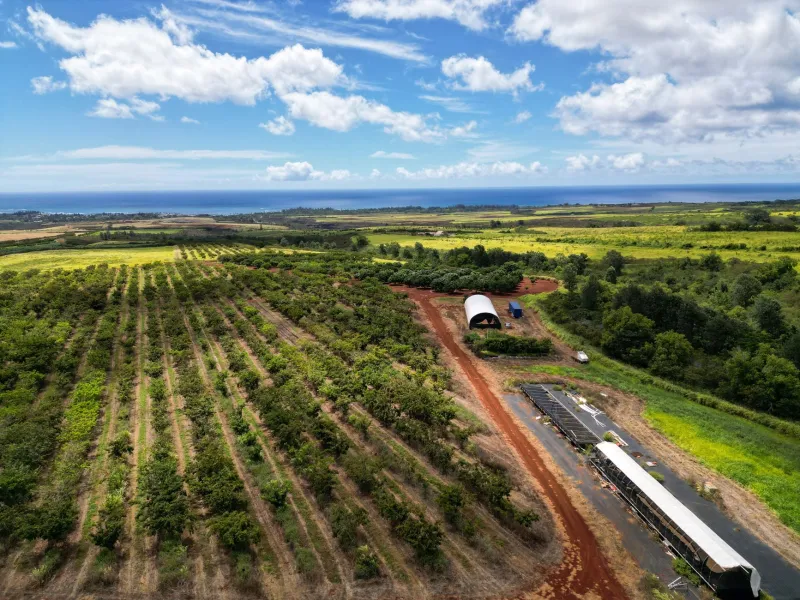
Part of it is the beans themselves. Hawaiian-grown coffee — especially from the Kona coast and newer growing regions on Maui, Kauai, and the Big Island — has earned serious respect among specialty buyers. The combination of volcanic mineral-rich soil, consistent rainfall, and high-altitude growing conditions produces flavor profiles that are genuinely hard to replicate anywhere else on earth. Once a roaster works with these beans, the relationship tends to stick.
But it goes deeper than sourcing. Island coffee culture carries a philosophy with it — one built around patience, craftsmanship, and slowing down long enough to actually taste what's in your cup. That ethos resonates right now, when a lot of coffee drinkers are pushing back against the grab-and-go mentality and asking for something more intentional.
Roasters who get that are building loyal followings fast.
Building Your Coffee Passport: What to Look For
Before you start ordering bags from every corner of the country, it helps to know what signals a genuinely island-inspired roastery versus one that just slapped a palm tree on its label.
Sourcing transparency. The real ones tell you exactly where their beans came from — which island, which farm, sometimes which elevation. If a roaster is calling something "Hawaiian-style" without naming an actual origin, that's a red flag worth noting.
Roast philosophy. Island-influenced roasters tend to favor lighter to medium profiles that let the bean's natural character come through. You're looking for tasting notes that lean fruity, floral, or nutty — not the char-forward bitterness that masks inferior beans.
Small-batch commitment. Volume is the enemy of nuance. The roasters doing this well are typically working in small batches, roasting to order, and adjusting profiles based on the specific lot they're working with.
Community storytelling. The best island-inspired brands treat coffee as a cultural bridge. They talk about the farmers, the land, the harvest conditions. That kind of storytelling is a strong indicator that the people behind the brand actually care about what they're selling.
A Few Standout Stops on the Passport Route
We're not here to rank anyone — the specialty coffee world is too collaborative for that kind of energy. But if you're building your tasting itinerary, these are the types of stops worth putting on your radar.
The Hawaiian Purists. These are roasters operating directly out of Hawaii — often family-owned operations that have been farming and roasting on the same land for generations. Ordering from them is as close as you can get to drinking coffee at the source without actually being there. Look for roasters on the Big Island who offer direct-to-consumer subscriptions; many of them will include tasting notes and farm updates with each shipment, which turns every delivery into a mini education.
The Pacific Northwest Interpreters. Seattle and Portland have long been America's coffee capitals, and a handful of specialty shops there have built entire menus around Pacific Rim influences. Some source exclusively from Hawaii and other Pacific island-adjacent growing regions. Others blend island beans with single-origins from Japan and Southeast Asia to create tasting flights that feel genuinely globe-trotting. Worth exploring if you want to see how island coffee translates when it passes through a different regional coffee culture.
The Mainland Converts. This is maybe the most interesting category — roasters in places like Austin, Asheville, Chicago, and even Denver who discovered Hawaiian coffee, fell hard, and built their brand identity around it. These shops often have the most passionate origin stories, because the love wasn't inherited — it was chosen. Many of them offer sampler packs specifically designed for first-time explorers, which makes them ideal entry points for your passport journey.
How to Actually Taste the Difference
Ordering a bunch of bags is the fun part. Getting the most out of each one takes a little intention.
First, keep your brew method consistent across tastings. If you're comparing four different island-inspired roasters, use the same pour-over setup, the same water temperature, the same grind size. You want to taste the bean, not the variables.
Second, taste each coffee black before adding anything. Milk, cream, and sweeteners aren't wrong — but they're conversations for later. Your first sip of any new roast should be a direct introduction.
Third, write it down. Even just a few words per cup. "Bright, citrusy finish" or "smooth, almost buttery" or "way more floral than I expected." Over time, these notes become your personal flavor map, and you'll start to see patterns that tell you a lot about which growing regions and roast styles suit your palate.
Finally, don't rush it. One of the things Hawaiian coffee culture gets right — and island-inspired roasters tend to carry forward — is the idea that a good cup deserves your full attention for at least a few minutes. No scrolling, no multitasking. Just the coffee.
The Bigger Picture
What makes this whole at-home passport concept so satisfying is that it turns something you're probably already doing — drinking coffee every morning — into a genuine adventure. Each bag from a new roaster is a small discovery. Each tasting note is a data point in an ongoing, delicious education.
And here's the thing: the more you explore, the more you start to appreciate what makes island-grown coffee so distinct. The volcanic terroir, the careful hand-picking, the unhurried approach to roasting — these aren't marketing talking points. They're the actual reasons your cup tastes the way it does.
The island coffee movement isn't a trend. It's a philosophy. And the roasters carrying it forward — whether they're based in Kona or Kansas City — are worth seeking out, one carefully brewed cup at a time.
So grab a fresh bag, heat your water to somewhere around 200°F, and get stamping.