One Archipelago, Seven Flavors: Your Island-by-Island Guide to Hawaiian Coffee
Most American coffee drinkers have heard of Kona. Maybe you've splurged on a bag, savored that silky, low-acid cup, and thought — okay, I get the hype. But here's the thing: Kona is just one chapter of a much longer story. Hawaii's coffee-growing regions stretch across multiple islands, each shaped by a completely different combination of volcanic soil, elevation, rainfall, and farming culture. The result? A lineup of cups so varied they barely seem like they come from the same state, let alone the same island chain.
Think of this as your coffee passport. Stamp it one bag at a time.
Why Geography Matters So Much in Hawaiian Coffee
Before we island-hop, it helps to understand why place matters so intensely in Hawaiian coffee. The archipelago sits smack in the middle of the Pacific, where trade winds, volcanic geology, and microclimates collide in endlessly different ways depending on which slope, valley, or coastline you're talking about. Elevation affects temperature and the speed at which coffee cherries ripen. Rainfall shapes acidity and sweetness. Lava-derived soil — rich in minerals but varying in composition from island to island — feeds the plant in ways that show up directly in the cup. Hawaiian farmers aren't just growing coffee; they're channeling a specific piece of land into every bean.
Now, let's go region by region.
Kona, Big Island: The Classic That Earned Its Reputation
We'll start here because, honestly, you already know the name. The Kona coffee belt runs along the western slope of Mauna Loa, where sunny mornings, afternoon cloud cover, and mineral-rich volcanic soil create near-perfect growing conditions. The flavor profile is what made Kona famous — smooth, medium-bodied, with a gentle brightness and notes that often lean toward milk chocolate, light fruit, and a clean, almost buttery finish. Acidity is mild. Bitterness is nearly nonexistent when roasted well.
What makes Kona stand apart is consistency. Generations of farming families have dialed in their craft on these slopes, and it shows. If you're new to Hawaiian coffee, Kona is a worthy starting point — just make sure you're buying 100% Kona, not a blend.
Ka'u, Big Island: The Underdog Worth Knowing
Just south of Kona, the Ka'u district has been quietly winning international competition trophies while most coffee drinkers have never heard of it. Grown at higher elevations on the southern slopes of Mauna Loa, Ka'u coffee tends to be more complex than its famous neighbor — think deeper fruit notes, a wine-like quality, and a brightness that lingers on the palate. Some roasters describe it as having more personality. It's bolder, a little more unpredictable, and genuinely exciting for anyone who wants to go beyond the familiar.
If Kona is the reliable classic, Ka'u is the one that surprises you.
Puna, Big Island: Wild and Volcanic
On the eastern side of the Big Island, Puna sits on some of the youngest volcanic land in the Hawaiian chain. The soil here is raw, mineral-heavy, and still evolving. Coffee grown in Puna often carries an earthy intensity — less refined than Kona, more rugged. You might pick up on herbal or savory notes alongside fruit, and the body tends to be full and assertive. It's not for everyone, but coffee adventurers who appreciate something untamed will find a lot to love here.
Maui: Sweetness from the Valley
Maui's primary growing region centers around the slopes of Haleakalā and the Kaanapali coast, where the combination of rich red soil, reliable rainfall, and warm temperatures produces coffee with a distinctly sweet character. Maui beans often lean toward brown sugar, stone fruit, and occasionally a subtle floral note. The body is medium, the finish is clean, and the overall impression is approachable without being boring.
Maui coffee has a friendliness to it that makes it an easy everyday drinker — the kind of cup that works just as well in a pour-over as it does in a French press.
Molokai: Organic and Off the Beaten Path
Molokai is the quiet one. With a small population and a deep commitment to sustainable, small-scale farming, the island produces coffee in limited quantities — much of it certified organic. What ends up in the cup reflects that unhurried approach: nuanced, often complex, with earthy undertones and a natural sweetness that comes from careful, low-intervention processing. Notes of dark fruit, molasses, and even a hint of spice aren't unusual.
Finding Molokai coffee takes a little effort, but that's part of the appeal. When you do track down a bag, you're drinking something genuinely rare.
Kauai: Misty Highlands, Bright Cups
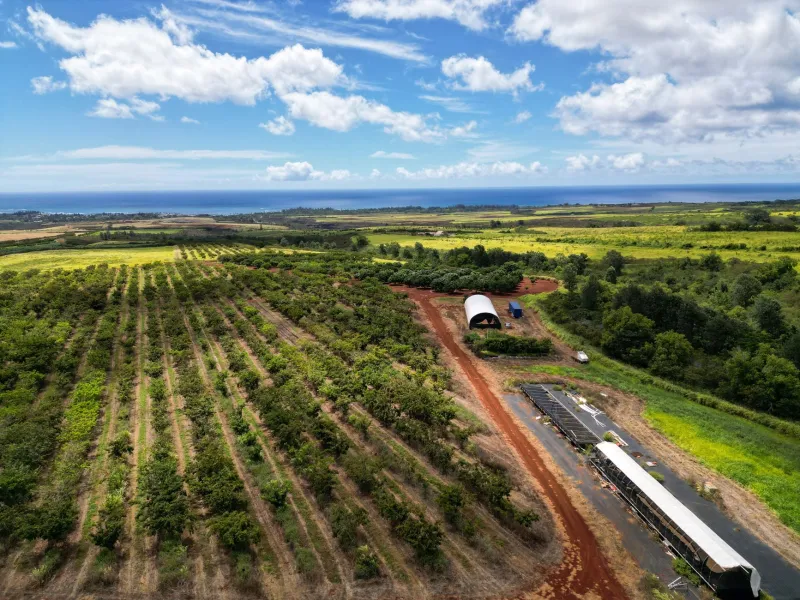
Kauai is Hawaii's wettest island, and its coffee reflects that. Grown in the highlands of the island's interior, Kauai beans develop under near-constant cloud cover and heavy rainfall, which slows the ripening process and concentrates flavor. The resulting cup tends to be bright and lively — higher acidity than Kona, with citrus notes, green apple, and a crispness that makes it especially well-suited to light roasts and pour-over brewing.
Kauai is also home to one of Hawaii's largest coffee operations, which means it's one of the more widely available Hawaiian origins on the US market. Don't let the accessibility fool you — the quality is real, and the flavor is unmistakably its own.
Oahu: Small But Surprising
Oahu isn't typically top of mind when people think about Hawaiian coffee, but a handful of small farms scattered across the island's less-developed regions are producing beans worth paying attention to. Growing conditions vary widely depending on elevation and exposure, so Oahu coffee doesn't have a single defining flavor profile — instead, it's a patchwork of micro-lot experiments, often showcasing the creativity of farmers working with limited land. If you come across an Oahu single-origin, treat it as a curiosity worth exploring.
How to Build Your Own Hawaiian Coffee Passport
The beauty of Hawaiian coffee as a category is that it rewards curiosity. You don't have to choose a single island and commit — in fact, the most satisfying approach is to treat each bag as a destination. Pick up a Kona for your baseline. Then grab a Ka'u and taste them side by side. Work your way toward a Kauai light roast and notice how your palate responds to that brighter acidity. Track down a Molokai organic and see what low-intervention farming tastes like.
Keep notes. Notice what you like and why. Over time, you'll develop a map of your own preferences — and a much deeper appreciation for what it means when a bag of coffee says "Hawaii" on the label.
Because it turns out, Hawaii isn't a single flavor. It's an entire world of them.