Volcano, Rain, and Wind: How Pacific Island Geography Ends Up in Your Coffee Cup
Pour yourself a cup and think about this for a second: two coffee farms, both sitting somewhere in the Pacific, both growing arabica beans under a tropical sun. Yet one cup tastes like bright citrus and stone fruit, while the other leans dark and earthy, almost like a walk through a rain-soaked jungle. Same species of plant. Wildly different results.
That's terroir at work — and once you understand it, you'll never look at a bag of coffee the same way again.
Borrowing a Big Idea from the Wine World
Terroir is a French word that wine folks have been throwing around for centuries. At its core, it means the complete natural environment where a crop is grown — soil composition, elevation, rainfall patterns, temperature swings, even the direction the hillside faces. Winemakers have long argued that a grape grown in Napa doesn't taste like one grown in Bordeaux, not because of the winemaker's skill, but because the land itself leaves a fingerprint on the fruit.
Coffee works exactly the same way. The specialty coffee world has been quietly making this case for years, and nowhere is the argument more convincing than across the islands of the Pacific. Hawaii, Papua New Guinea, Fiji, and their neighbors each sit on dramatically different geology, and those differences translate directly into what ends up in your mug.
Hawaii: Where Volcanic Fire Meets Pacific Mist
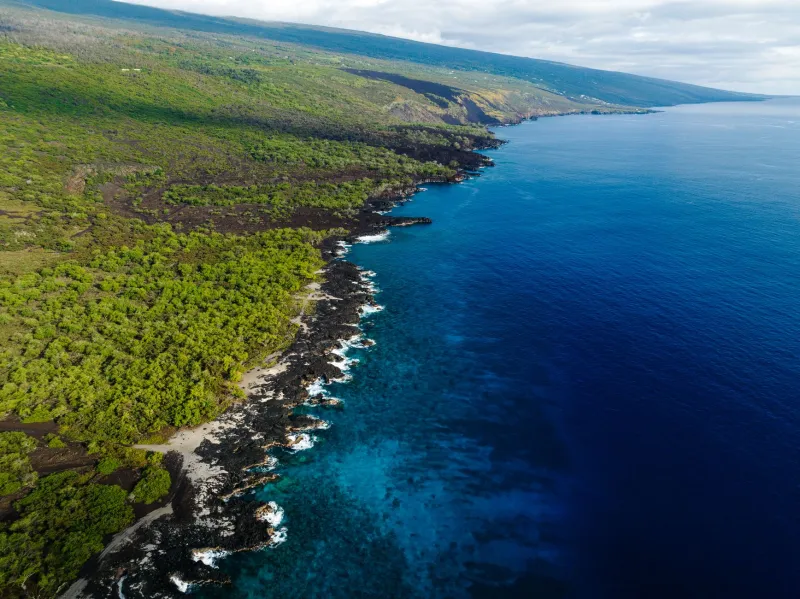
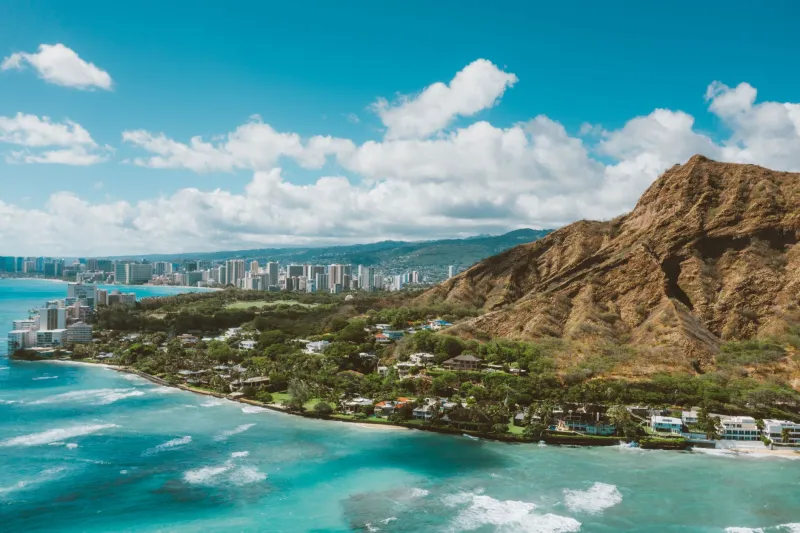
Hawaiian coffee — particularly from the Kona coast on the Big Island — grows on the slopes of Mauna Loa and Hualalai, two of the most active volcanic systems on Earth. That volcanic basalt breaks down into mineral-rich, well-draining soil that coffee plants absolutely love. Add the region's signature weather pattern — sunny mornings giving way to afternoon cloud cover and light rain — and you've got near-perfect growing conditions.
The flavor payoff? Kona coffee is famous for its smooth, medium body with low acidity. Tasting notes often include milk chocolate, macadamia nut, and a subtle floral sweetness. There's a clean, almost polished quality to a well-roasted Kona that reflects those stable, nurturing growing conditions. The volcanic minerals add a kind of quiet complexity — nothing sharp or aggressive, just depth.
Ka'u, another Hawaiian growing region on the southern tip of the Big Island, sits at higher elevations with cooler temperatures and more rainfall. The result is a noticeably brighter cup — more citrus, more acidity, occasionally a winey quality that surprises people expecting something Kona-adjacent.
Papua New Guinea: Untamed Highlands, Wild Flavors
Switch gears entirely and head to the highlands of Papua New Guinea, and the terroir story takes a dramatic turn. Coffee here grows at elevations ranging from about 4,000 to 6,000 feet, in some of the most rugged, biodiverse terrain on the planet. The soils are rich but varied, and the climate swings between wet and dry seasons more dramatically than Hawaii's relatively consistent patterns.
PNG coffees are known for being bold and complex in a way that can catch you off guard. Expect earthy, herbaceous notes layered with tropical fruit — think overripe mango, tamarind, or even a hint of sweet potato. The acidity tends to be bright but a little wild, almost unpredictable. If Kona is the elegant, composed host of a dinner party, PNG coffee is the fascinating guest who keeps changing the subject in the best possible way.
A lot of PNG coffee is still grown by small-hold farmers in remote villages, which means processing methods vary widely. That inconsistency is part of what makes PNG coffee so interesting — and why buying from a specialty roaster who knows their sourcing matters.
Fiji: The Underdog Worth Knowing
Fijian coffee doesn't get nearly enough attention in the US market, and that's a shame. Grown primarily on the island of Taveuni — sometimes called the "Garden Island" — Fijian beans develop in rich volcanic soil under a humid, tropical canopy. The island's isolation and relatively small production volume mean you're unlikely to find Fijian coffee at a big-box grocery store, but specialty roasters occasionally carry it.
What does it taste like? Fijian coffee tends to be mild and sweet, with a syrupy body and notes of brown sugar, dried fruit, and a gentle nuttiness. The low-altitude growing conditions keep acidity in check, making it approachable for drinkers who find African or Central American coffees too bright or sharp. It's a laid-back cup — fitting, honestly, for a place people associate with barefoot beaches and zero urgency.
How to Taste Terroir in Your Own Cup
You don't need to be a trained Q-grader to start picking up on island-grown characteristics. Here are a few simple ways to tune in:
Slow down your brew. Pour-over and French press methods give you more control and clarity than an automatic drip machine. When you can taste the coffee without interference, the terroir has room to speak.
Compare side by side. Brew a Kona and a PNG on the same morning using the same ratio and temperature. The contrast will be immediate and educational.
Pay attention to acidity. High-elevation coffees (Ka'u, PNG highlands) tend to have more brightness. Low-elevation, volcanic-soil coffees (Kona, Fijian) lean smoother. That difference is geography, not roasting.
Read the tasting notes, then verify them yourself. Specialty roasters put those flavor descriptors on the bag for a reason. Try to find one note — just one — before you read the bag. You might surprise yourself.
Go light on the add-ins. Cream and sugar are great, but they'll mask the subtler terroir characteristics. Try your first few sips black, then adjust.
The Land Is Part of the Recipe
At Island Joe's, we think about terroir every time we source a new bean. It's not just a marketing concept — it's the reason we get genuinely excited about a new lot from a specific farm on a specific hillside. The volcanic soil, the afternoon rain, the altitude, the microbes in the ground — all of it is working together long before we ever touch a green bean.
Next time you open a bag of Pacific island coffee, take a moment to think about where it came from. The flavor in your cup isn't just the result of a roast profile. It's the result of an entire landscape doing its thing, one growing season at a time.