Skip the Supermarket Shelf: The Small-Batch Island Roasters Shipping Fresh Coffee Straight to Your Door
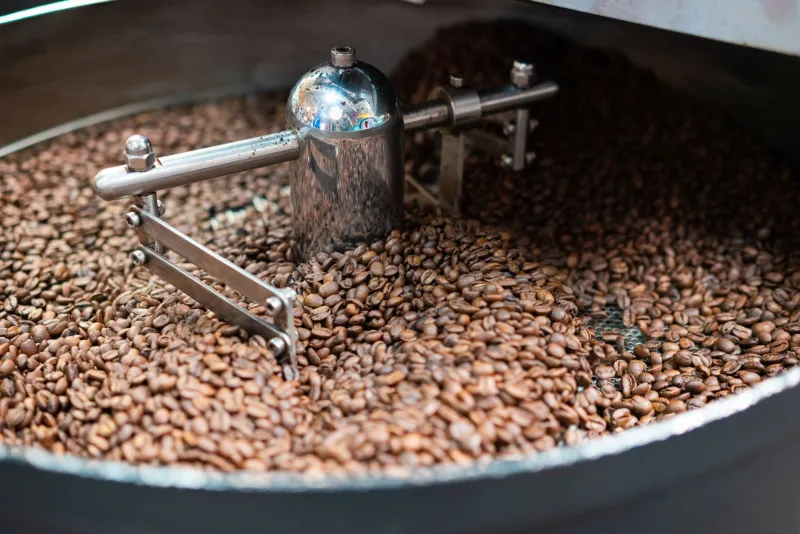
There's a bag of coffee sitting on a grocery store shelf somewhere in Ohio that was roasted four months ago. It has a pretty label, a respectable price point, and a vague claim about being "Hawaiian-inspired." It will sell. And the person who buys it will probably think they've tried Hawaiian coffee.
They haven't.
Real Hawaiian coffee — the kind grown on the slopes of Mauna Loa, or in the mist-covered valleys of Kauai, or on small family plots on Maui — doesn't spend four months on a shelf. It gets roasted to order, packed the same week, and shipped directly to the person who bought it. No distributor. No warehouse. No retail markup. No mystery.
This is the direct-to-consumer coffee model, and it's quietly dismantling the way Americans buy their beans.
Why the Old Model Fails Island Coffee
To understand why DTC matters so much for island-grown coffee specifically, you have to understand the economics of traditional retail distribution.
When a small Hawaiian roaster sells through a grocery chain, the coffee passes through an importer, a distributor, a regional warehouse, and finally the store itself — each step adding margin, each step adding time. By the time that bag hits the shelf, it might be six to twelve weeks post-roast. Coffee is at peak flavor within two to four weeks of roasting. The math doesn't work.
Beyond freshness, there's the traceability problem. Hawaiian coffee has a well-documented counterfeiting issue. Under a loophole in state law (only recently tightened), blends labeled "Kona" could legally contain as little as 10% actual Kona beans. The rest? Commodity beans from Central America or elsewhere. Retail channels make this kind of opacity easy to hide.
DTC roasters, by contrast, know exactly where every bean came from — because they sourced it themselves, often directly from farmers they've visited in person.
The Roasters Rewriting the Rules
Hāmākua Collective, Big Island
Nestled on the rainy northeastern coast of Hawaii's Big Island, the Hāmākua Collective is a cooperative of six small farms that banded together to roast and sell their beans under a shared brand. What makes them distinctive isn't just the terroir — rich volcanic soil fed by frequent rain — it's the model. Every bag sold through their website is traceable to a specific farm and harvest date. Subscribers receive a tasting card with each shipment explaining the processing method, the altitude, and even the name of the farmer who picked the cherries.
"We got tired of watching our coffee get anonymized," says co-founder Keoni Akana. "When you buy from us, you know exactly who grew it and when."
Their direct subscription model has grown 340% in the past two years, with the majority of customers based on the mainland US.
Puna Ridge Roasters, Big Island
Operating out of the Puna district — an area known for its intensely mineral, almost savory coffee profile due to recent lava flows enriching the soil — Puna Ridge is a one-couple operation that roasts in small batches of 10 to 15 pounds at a time. They sell exclusively through their website and a small email list, with no retail presence whatsoever.
Founder Leilani Fujimoto started the roastery after a decade working in tech in San Francisco. "I wanted to build something where I could look the customer in the eye — even digitally — and tell them exactly what they were getting," she says. "Retail makes that impossible."
Puna Ridge ships within 48 hours of roasting and includes a hand-stamped roast date on every bag. Their waitlist for limited single-estate releases regularly exceeds 200 customers.
Nā Pali Coast Coffee, Kauai
Kauai is often overlooked in conversations about Hawaiian coffee — most of the spotlight goes to Kona — but Nā Pali Coast Coffee is working to change that. Their beans are grown in the island's lush interior valleys, where elevation and persistent cloud cover create a slower cherry development that produces unusually complex flavor profiles: bright citrus on the front end, chocolate and dried fruit on the finish.
Owner Marcus Reyes sells through a subscription model with three tiers — single-origin, seasonal blends, and a "roaster's choice" option where he sends whatever he's most excited about that month. "I want people to trust me the way they'd trust a chef," he says. "You don't always need to know exactly what's coming. You just need to know it's going to be good."
His roaster's choice tier has a 91% retention rate after six months.
Molokai Mana Coffee
Molokai is the least-visited of Hawaii's main islands, and its coffee is equally under the radar — which is exactly how founder Akamai Santos likes it. His farm sits at 1,400 feet elevation on the island's eastern end, and he produces fewer than 500 pounds of finished coffee per year. Every single pound is sold directly, either through his website or at a small local farmers market.
"When you make this little, every bag matters," he says. "I can't afford to lose a customer. So I don't." His retention numbers back that up — over 80% of first-time buyers reorder within 60 days.
What Makes This Model Sustainable
The obvious question is whether a micro-roaster can actually compete long-term against companies with national distribution and massive marketing budgets. The DTC roasters themselves are pretty clear-eyed about it.
They're not trying to win the mass market. They're trying to win a specific customer: the coffee enthusiast who reads roast dates, who knows the difference between washed and natural processing, who has already graduated past anything they'd find in a grocery aisle. That customer is willing to pay more, is less price-sensitive, and is dramatically more loyal.
The subscription model also provides cash flow stability that retail can't. When Puna Ridge knows it has 400 subscribers expecting a bag every three weeks, it can plan its roasting schedule, manage inventory, and pay farmers on time without waiting for a retail chain to cut a check.
And the freshness advantage is essentially impossible to replicate at scale. A large commercial roaster can't ship within 48 hours of roasting to every customer in America. A micro-roaster with a direct relationship and a modest subscriber base can.
How to Find Your Roaster
If you're ready to go direct, a few tips:
- Look for roast dates, not "best by" dates. A roast date tells you everything. A best-by date tells you almost nothing.
- Start with a subscription. Most DTC island roasters offer flexible subscriptions that let you pause or cancel easily. It's the best way to experience the freshness difference.
- Ask questions. The best small roasters love talking about their beans. If a roaster can't tell you which farm the coffee came from, that's a signal.
- Explore beyond Kona. Maui, Kauai, Molokai, and the Big Island's Puna and Hāmākua regions each produce distinctly different flavor profiles. Don't stop at the most famous name.
The supermarket shelf isn't going anywhere. But for coffee that tastes like it actually came from somewhere — somewhere real, somewhere specific, somewhere with volcanic soil and trade winds and a farmer who knows your name — the mailbox is where it's at.
Island Joe's Coffee connects you with the best of what the Pacific has to offer. Roasted with aloha, shipped fresh, straight to you.