We Made 50 Americans Taste $12 Coffee vs. $45 Coffee — Here's What Actually Happened
Let's be real for a second. When you're standing in the grocery aisle staring down a $12 can of ground coffee and a $45 bag of single-origin Hawaiian beans, the little voice in your head starts asking questions. Is this just marketing? Am I paying for the pretty packaging? Would I even notice the difference?
We decided to find out — properly, without the coffee snob energy.
We recruited 50 everyday coffee drinkers from across the country. Not baristas. Not specialty coffee enthusiasts who can describe a tasting note as "sun-dried apricot with a whisper of cedar." Just regular folks — teachers, nurses, remote workers, retirees — who drink coffee every single morning because they need it to function like a human being.
We gave them two unlabeled cups. That's it. No prices, no brand names, no origin stories. Just coffee.
How We Set It Up
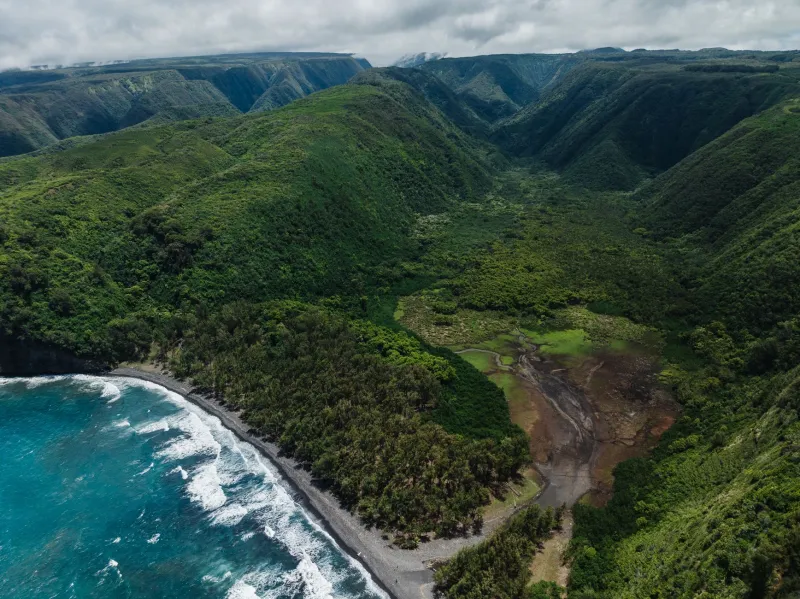
For the mass-market side, we used a widely available pre-ground blend you'd recognize from any grocery store shelf — the kind that comes in a big red can and has been in American kitchens since approximately forever. For the premium side, we brewed a single-origin Pacific island coffee, the kind we roast with actual care and intention here at Island Joe's — grown at high elevation, hand-picked, and processed with a level of attention that shows up in the cup.
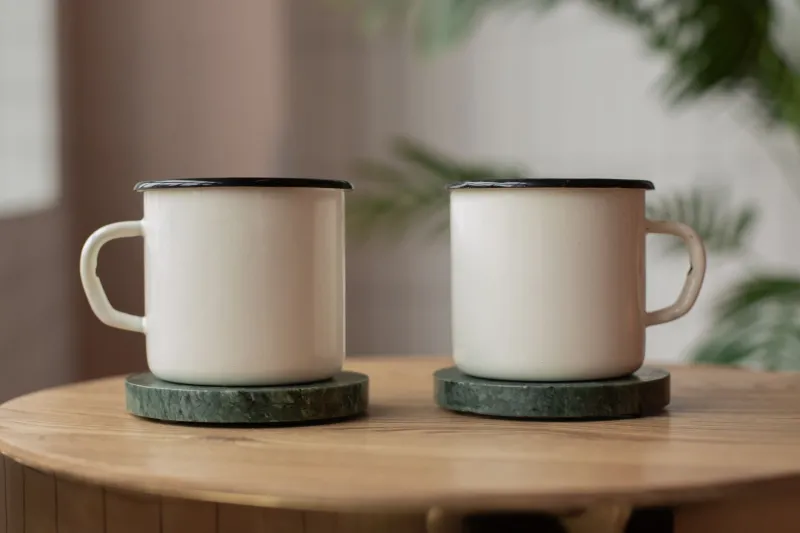
Both were brewed identically: same water temperature, same brew ratio, same method, same ceramic mugs. We kept the variables tight so we were testing the coffee, not the presentation.
Participants were asked three questions after tasting each cup:
- Which do you prefer, and why?
- Which one do you think costs more?
- Would you pay more for the one you preferred?
What the Numbers Said
Here's where it gets interesting. About 68% of participants correctly identified the premium coffee as the one they preferred. But — and this is the important part — only about 54% correctly guessed which one was more expensive. A meaningful chunk of people liked the pricier coffee without knowing it was pricier. Their palate made the call before their wallet anxiety could interfere.
The most common words people used to describe the island coffee: smooth, cleaner, less bitter, almost sweet. The mass-market blend got words like familiar, strong, a little harsh — and notably, several people said it tasted "like coffee," which is maybe the most telling description of all. It tasted like the idea of coffee rather than the actual experience of it.
The Flavor Gap Is Real — But Not Where You'd Expect
Here's the thing the experiment revealed that surprised us most: people weren't picking up on the fancy tasting notes. Nobody spontaneously said "I'm getting volcanic mineral undertones" or "there's a brightness that suggests high-altitude cultivation." That's not how most people taste coffee, and that's completely fine.
What they did notice was the absence of bitterness. Premium island-grown coffee, because of how it's grown and roasted, tends to be naturally sweeter and more balanced. The harsh, astringent edge that most people associate with "strong coffee" largely comes from lower-quality beans and over-roasting used to mask defects. When those defects aren't there, the coffee doesn't need to be wrestled into submission with cream and sugar.
Several participants mentioned they'd normally add cream to their morning cup but found the premium coffee pleasant without it. That's not a small thing. That's your taste buds telling you something real.
So Should You Spend the $45?
Here's our honest take: it depends on what you're actually buying it for.
If coffee is purely functional — a caffeine delivery system you chug before your commute — then no, you probably don't need to spend $45. The $12 option will get you where you're going.
But if you're the kind of person who actually sits with your morning cup, who has a mug you love, who thinks of that first sip as a small daily ritual — then yes, better beans make a genuinely noticeable difference. Our taste test showed that even people with no specialty coffee background could feel that difference, even when they couldn't articulate exactly why.
The real argument for spending more isn't about prestige or snobbery. It's about intention. When you buy a bag of coffee grown on a specific Hawaiian hillside by farmers who've been tending those trees for generations, you're opting into a whole chain of care that shows up in your cup. That's worth something.
The Takeaway Nobody Expected
The most interesting finding from our little experiment wasn't about coffee at all. It was about trust. A lot of participants said, after we revealed which cup was which, that they'd always assumed premium coffee was a marketing game — that they'd been conditioned to doubt their own palate before they'd even taken a sip.
The blind test stripped that out. And what it revealed was that most people, when given the chance to taste without the noise of price and branding, actually do have pretty solid instincts about quality.
Your taste buds know things. Maybe it's time to start listening to them.
Ready to run your own taste test at home? Grab a bag of Island Joe's single-origin and set it next to whatever's in your pantry right now. No lab required.