Cherry to Cup: The Honest Story Behind Every Bag of Hawaiian Single-Origin Coffee
There's a moment — right after you pour hot water over freshly ground Hawaiian coffee and that first bloom rises up — where everything feels effortless. Like the coffee just arrived, perfect and ready, from somewhere beautiful.
It didn't.
Behind that pour-over is a story that stretches back months, sometimes longer, across volcanic hillsides, sun-drenched drying beds, small-batch roasters, and a supply chain that most coffee drinkers never think twice about. We think you should. Not because it'll make the coffee taste better — though honestly, it might — but because understanding the journey changes how you relate to what's in your cup.
So let's trace it, from the first ripe cherry on the branch to the last sip in your kitchen.
It Starts With the Farm — and It's Not What You Picture
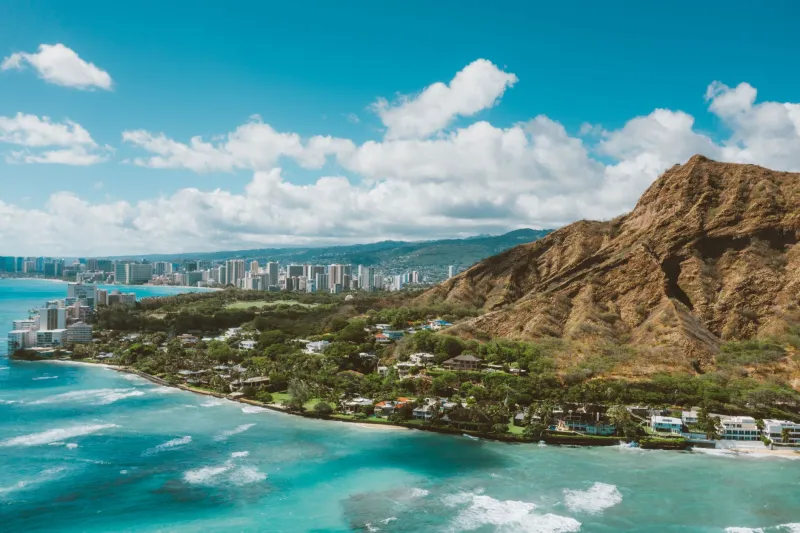
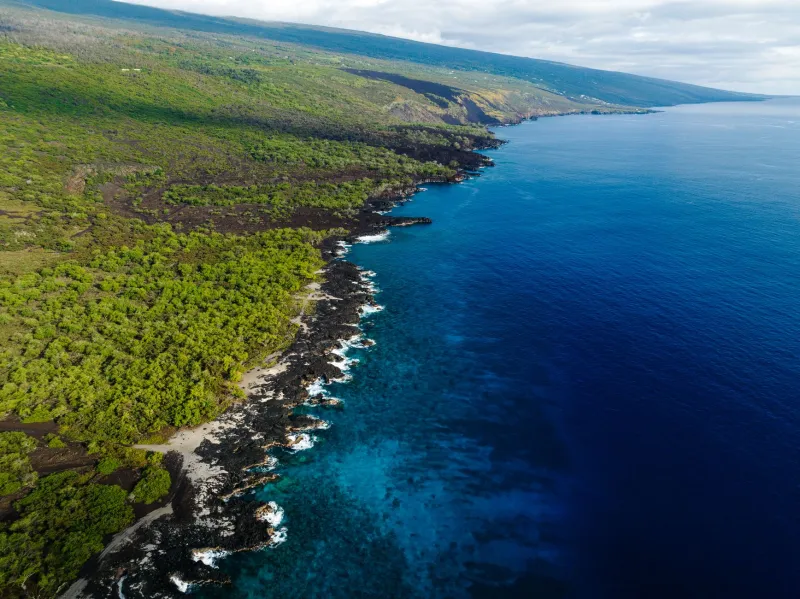
Forget the sweeping plantation imagery. Most of Hawaii's premium single-origin coffee, especially from regions like Kona, Ka'u, and Maui, comes from small family farms — some as compact as a few acres. These aren't industrial operations. They're generational businesses, often passed down through families who know their specific elevation, their microclimate, and their soil the way a chef knows their kitchen.
Coffee plants in Hawaii typically flower in spring, and the fruit — called a cherry — ripens slowly over several months, usually reaching peak harvest between late summer and early winter depending on the region. That slow maturation, fed by rich volcanic soil and the rhythm of island rain and sun, is a huge part of what gives Hawaiian coffee its distinctive character: a natural sweetness, a clean body, and often a brightness that's hard to fake.
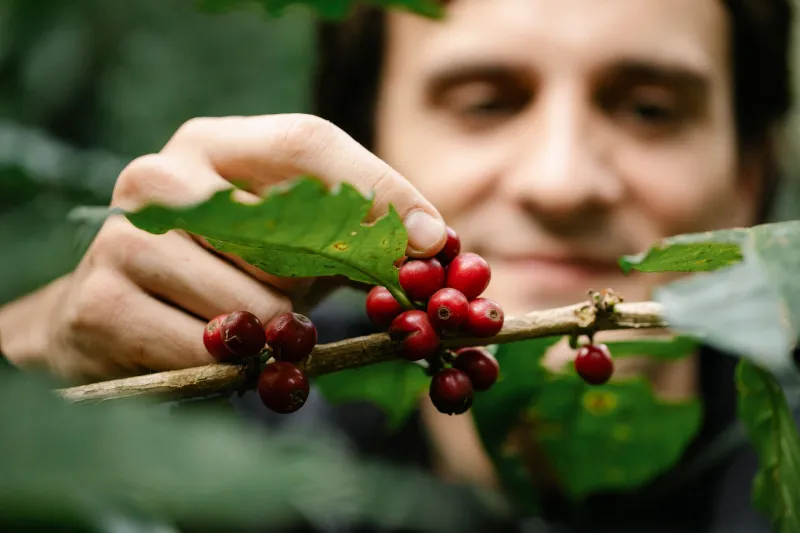
Here's where the first major labor investment happens: selective hand-picking. Unlike large commodity farms that strip entire branches or use mechanical harvesting, quality-focused Hawaiian farms pick only the cherries that have reached peak ripeness — a deep, uniform red (or yellow, depending on the variety). That means workers move through the same trees multiple times over weeks, picking only what's ready. It's slow. It's expensive. And it makes an enormous difference in the final cup.
Processing: Where Flavor Decisions Get Made
Once the cherries are picked, the clock starts ticking. Fresh coffee cherry is perishable, and how it's processed in the hours and days that follow will shape the flavor profile of every bag that eventually ships to the mainland.
Most Hawaiian producers use one of two main methods:
Washed processing strips the fruit away quickly, ferments the beans briefly in water to remove remaining mucilage, then washes and dries them. The result tends to be clean, bright, and expressive of the bean's inherent origin character — you taste the place, not the process.
Natural or honey processing leaves more of the fruit on the bean during drying, allowing sugars to absorb into the seed. This produces a fuller body, sometimes with fruity or wine-like notes. It requires more careful management — turning and monitoring the beans on raised drying beds for weeks — but it can yield something genuinely special.
These aren't just academic distinctions. They're intentional craft decisions made by the farmer or mill operator, often in response to years of experimentation with what works best for their particular beans and conditions. When you see processing method listed on a coffee bag, it's not filler information — it's a window into real choices made by real people.
Getting Off the Island Is Its Own Challenge
Here's something most coffee drinkers don't consider: Hawaii is in the middle of the Pacific Ocean. Shipping specialty coffee from a small farm to the continental US isn't as simple as slapping a label on a bag and calling FedEx.
Green (unroasted) coffee needs to be stored in climate-controlled conditions to protect its quality. Timing matters — you want beans roasted as close to the consumer as possible, which means coordinating harvest windows, processing timelines, and roasting schedules across thousands of miles of ocean. Small farms often work with exporters or cooperatives to aggregate enough volume to make shipping economically viable, which adds another layer of coordination.
This logistical complexity is part of why supply chain transparency matters. When a roaster can tell you the farm name, the harvest season, and the processing method, it means they've done the work of building a real relationship with that source — not just buying whatever's available at the lowest price. At Island Joe's, that traceability isn't a marketing feature. It's how we make sure the coffee we're proud of actually stays that way from the farm gate to your front door.
The Roast: Where Science Meets Intuition
Green coffee beans are, on their own, dense, grassy-smelling seeds with almost none of the aroma we associate with coffee. Roasting is the transformation — the application of heat that triggers hundreds of chemical reactions, developing the sugars, acids, and aromatic compounds that make coffee coffee.
For high-quality Hawaiian single-origin beans, roasting is an exercise in restraint. The goal isn't to impose a flavor profile on the bean — it's to coax out what's already there. A lighter roast preserves the brightness and terroir-driven nuance that makes a Kona or Ka'u coffee worth buying in the first place. Push the roast too dark and you're drinking char, not coffee. You've spent all that money on a carefully farmed, meticulously processed bean only to burn away what made it special.
Small-batch roasting allows for the kind of attention and adjustment that industrial roasting doesn't. Every batch is different — humidity, bean density, and even the ambient temperature of the roasting room affect how heat moves through the coffee. A skilled roaster is making real-time decisions, not just following a timer.
The Pour-Over Moment — and Why It's Earned
By the time that coffee reaches you — ground, bloomed, and slowly drawn through a filter into your cup — it's already survived a remarkable journey. Hands that knew exactly which cherry to pick. A farmer who chose a processing method based on years of experience. A logistics chain that kept quality intact across an ocean. A roaster who knew when to stop.
That's not a guilt trip about your coffee. It's an invitation to actually taste it.
Single-origin Hawaiian coffee rewards attention. Brew it with care — proper water temperature, a consistent grind, a slow and deliberate pour — and you'll notice things you'd never catch in a rushed cup. Floral notes. A hint of tropical fruit. A sweetness that doesn't need sugar to show up.
When you know the story behind what's in your cup, it changes how you drink it. And if you ask us, that's exactly the point.