The Dark Roast Lie: What Pacific Island Light Roasts Are Teaching Coffee Drinkers to Finally Taste
Let's be honest about something. If you've spent years reaching for the darkest bag on the shelf — the one with "bold" or "intense" printed in aggressive fonts — you're not alone. Most of us were trained that way. Dark roast became synonymous with serious coffee. Light roast got filed somewhere between "weak" and "not really coffee."
That assumption is costing you some of the most interesting flavors a cup of coffee can offer.
We're not here to shame anyone's morning routine. But if you're genuinely curious about what coffee can taste like at its most expressive, it's time to have the roast level conversation — and to talk about why Pacific island coffees, in particular, make such a compelling case for going lighter.
What Roasting Actually Does to a Coffee Bean
Roasting is transformation. Green coffee beans — which smell more like fresh grass than anything you'd want to drink — go through a series of chemical reactions when heat is applied. Sugars caramelize. Moisture escapes. Hundreds of aromatic compounds develop, shift, and in some cases, disappear entirely.
Here's the part the dark roast marketing doesn't advertise: the longer and hotter a bean roasts, the more of its original character gets replaced by roast character. Those fruity, floral, mineral, or sweet notes that the coffee developed in the soil — what coffee people call terroir — start to burn off. What you're left with is largely the flavor of the roasting process itself: smoky, bitter, sometimes ashy notes that taste similar regardless of where the bean came from.
Dark roast doesn't reveal coffee. In a real sense, it conceals it.
Light and medium roasts, on the other hand, preserve what the coffee brought to the table before it ever hit the drum. The bean's origin — its altitude, its soil, its rainfall, the way it was processed after harvest — stays intact and readable in the cup.
Why Island-Grown Coffees Are Made for the Lighter End of the Spectrum
This is where Pacific island coffees come into their own.
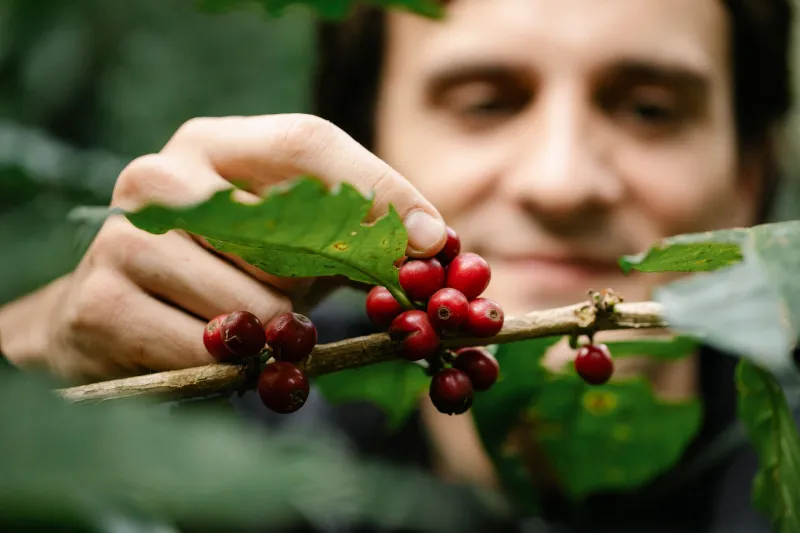
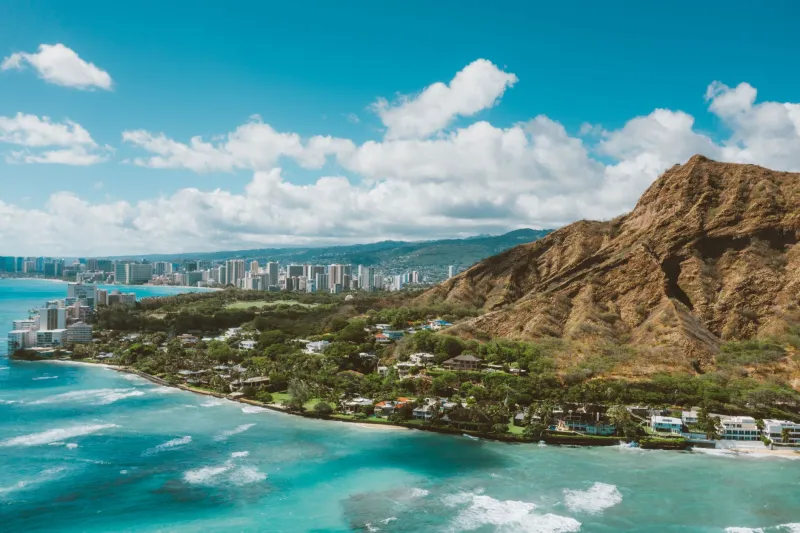
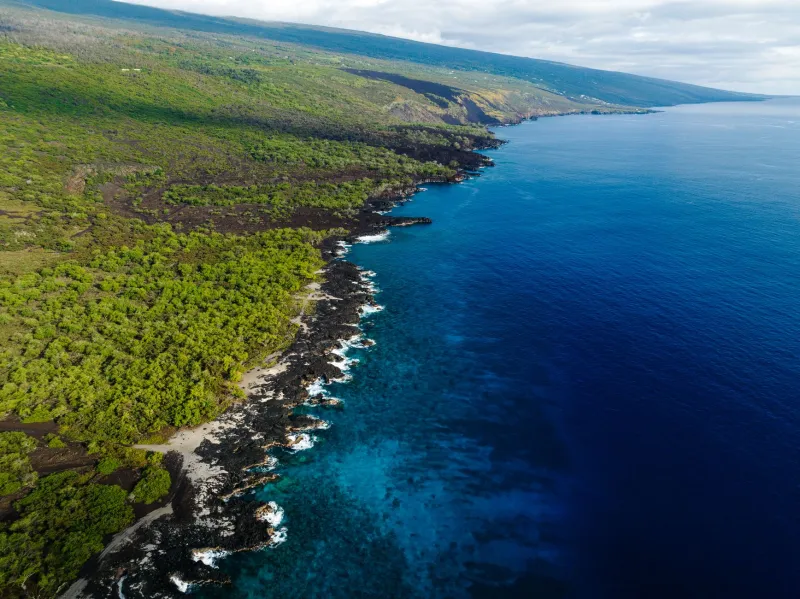
Coffees grown in Hawaii and other Pacific island regions have a story to tell. Volcanic soil loaded with minerals. Elevation that slows cherry development and concentrates sugars. Microclimates shaped by trade winds and afternoon cloud cover. These aren't just poetic details — they show up in the cup as actual flavor, provided the roaster doesn't cook them out.
A light-to-medium roasted Kona coffee, for example, might greet you with brightness — a gentle citrus note, maybe something closer to stone fruit, with a smooth, almost silky body that reflects the region's mineral-rich growing conditions. A similar bean taken to a dark roast? You might taste coffee. Just... coffee. Smoky, bitter, indistinct.
The terroir-forward philosophy that drives serious island coffee culture is fundamentally at odds with heavy roasting. When a farmer has put extraordinary care into how a cherry is grown and harvested, a thoughtful roaster's job is to showcase that work — not bury it under carbon.
"But Doesn't Light Roast Have Less Caffeine?"
This one comes up constantly, and it's worth clearing up. The caffeine difference between roast levels is actually pretty minimal in practical terms. While lighter roasts do retain slightly more caffeine by weight (because the bean hasn't lost as much mass through roasting), the difference in your cup is negligible when you're measuring by volume the way most home brewers do.
The "dark roast equals stronger" belief likely comes from the flavor intensity of dark roast — that heavy, bitter punch registers in the brain as powerful. But strength in flavor and strength in caffeine are two different things. Light roast coffee can taste brighter and more complex without giving you any less of a morning kick.
A Practical Framework for Making the Shift
If you've been a dark roast loyalist, jumping straight to a very light roast can feel jarring. The flavor profile is genuinely different — sometimes dramatically so. Here's a sensible way to work your way over.
Start with medium roast. A well-developed medium roast from a quality island-sourced bean gives you some of that familiar roasty warmth while still letting origin flavors breathe. It's a comfortable bridge.
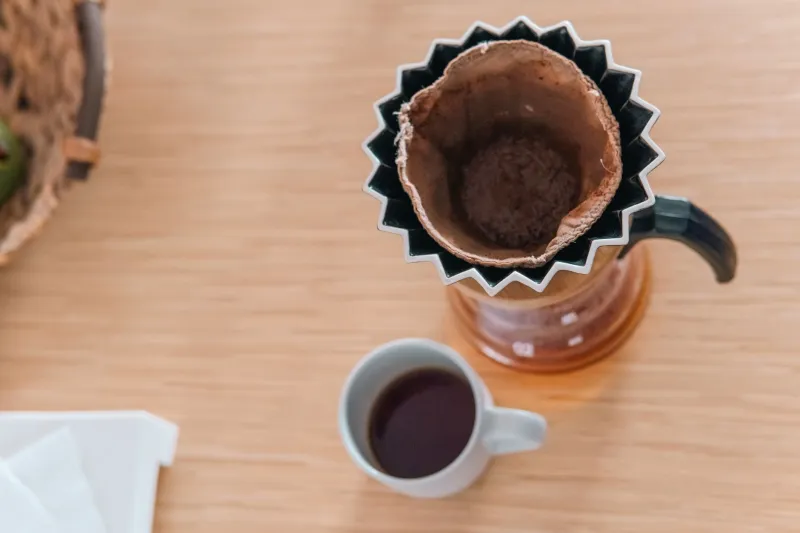
Adjust your brew method. Light roasts respond especially well to pour-over and drip methods, which highlight clarity and nuance. If you're used to French press or espresso, your first light roast experience might taste thin or sharp — not because the coffee is bad, but because the method isn't matched to it. Try a Chemex or a V60 and slow down the process.
Grind fresh and grind right. Light roasts are denser than dark roasts, so your grinder settings might need a small tweak — slightly finer than you'd use for a comparable dark roast. Fresh grinding matters even more at this end of the spectrum because there's less roast character masking any staleness.
Lower your water temperature slightly. Brewing at 195–205°F is the standard range, but for very light roasts, staying toward the lower end can prevent over-extraction and the bitterness that sometimes trips people up.
What You Can Expect to Taste
Here's the part that makes the shift worth it. When you brew a quality Pacific island light or medium roast and actually pay attention, the cup opens up in ways that darker roasts simply can't offer.
Look for tropical fruit brightness — think mango, guava, or pineapple-adjacent sweetness, especially in washed-process island coffees. You might catch floral notes, something almost tea-like, that disappear the moment heat pushes the roast darker. There's often a clean, lingering sweetness in the finish — not sugary, but genuinely pleasant — that dark roast's bitterness tends to crowd out.
Naturally processed island coffees lean toward berry-forward or stone fruit profiles — plum, dried cherry, sometimes a wine-like complexity that surprises people the first time they encounter it.
For brew method pairings: pour-over is the gold standard for showcasing these flavors. Cold brew made with a light-to-medium island roast produces something completely different from the chocolate-heavy cold brews you're used to — bright, almost juicy, refreshing in a way that feels genuinely tropical. Drip works well too, especially if you have a quality machine that hits proper brewing temperatures.
The Bottom Line
Dark roast isn't bad coffee. But if it's the only coffee you drink, you're essentially watching every movie with the contrast cranked to maximum — you're missing detail, subtlety, and a whole lot of what makes the source material interesting.
Island coffees grown in volcanic Pacific soil have something to say. Light and medium roasting is how you actually hear it. Give it a real shot — and not just one cup on a Tuesday when you're half-awake. Brew it right, slow down, and pay attention.
The flavors that have been growing in that island soil all year are waiting for you to notice them.