Pour-Over vs. French Press: Why Hawaii's Coffee Culture Is Winning the Brew Battle
Pour-Over vs. French Press: Why Hawaii's Coffee Culture Is Winning the Brew Battle
For years, the French press held a kind of cult status among American coffee drinkers. It felt serious. Intentional. Like you were really doing something when you pressed that plunger down. But spend any time around Hawaii's specialty coffee scene — the small-batch roasters on the Big Island, the farm-to-cup cafés tucked into Maui's upcountry — and you'll notice something: nobody's rushing to pull out a French press. The pour-over reigns here, and there are very good reasons for that.
If you've been on the fence about making the switch, this one's for you.
What's Actually Happening Inside Your French Press
The French press is an immersion brewer. You steep coarse grounds in hot water for several minutes, then separate them (imperfectly) by pressing a metal mesh filter to the bottom. It's simple, forgiving, and produces a full-bodied cup — which is exactly why so many people love it.
But here's the trade-off: that metal mesh filter lets a lot of stuff through. Fine particles, coffee oils, sediment — they all end up in your mug. For robust, heavily roasted beans, that texture can feel rich and satisfying. For a nuanced, light-to-medium roast from, say, the slopes of Mauna Loa? All that particulate matter starts to muddy the picture. The subtle fruit notes, the floral hints, the clean brightness that makes single-origin island coffee worth drinking in the first place — they get buried under a layer of sludge and bitterness.
The French press doesn't just brew coffee. In many cases, it hides it.
Why Pour-Over Changes Everything
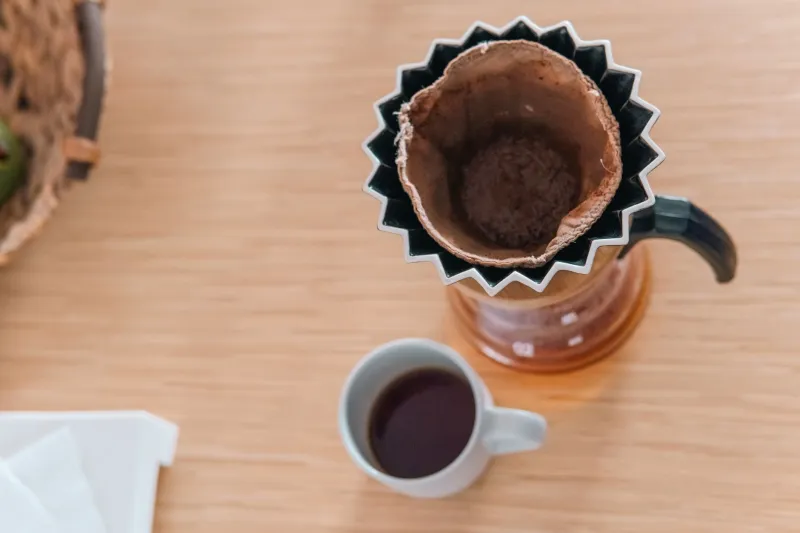
The pour-over method flips the script entirely. Instead of dunking grounds in water and waiting, you're pouring hot water slowly and deliberately over a bed of grounds held in a filter — usually paper — allowing it to drip through by gravity. The paper filter catches the fine particles and most of the oils, and what comes out the other side is a cup that's clean, bright, and layered with flavor.
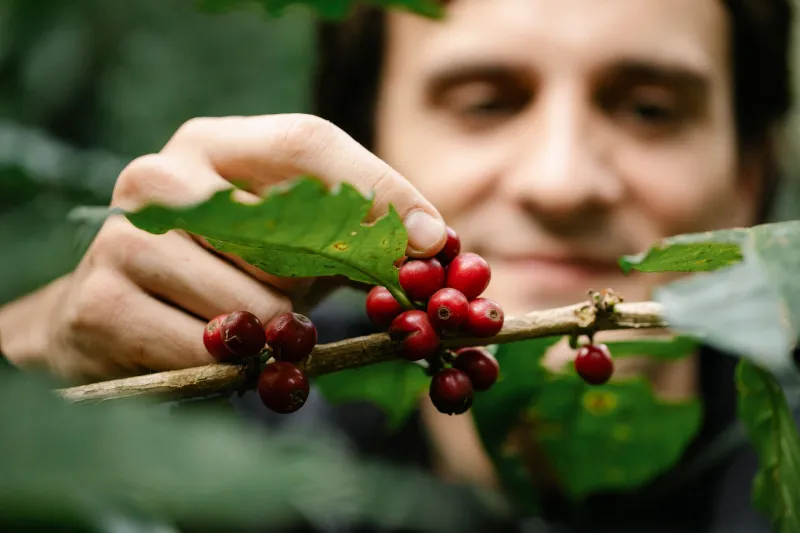
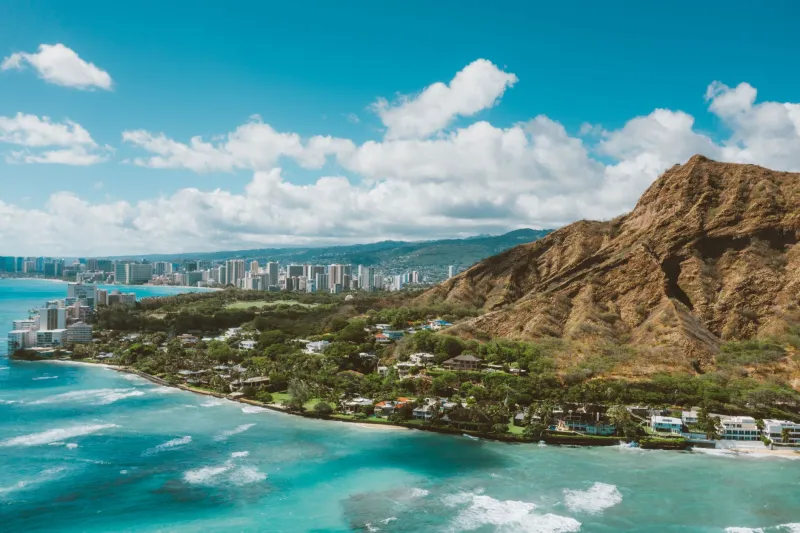
Hawaii's specialty coffee culture has embraced this method not just as a brewing preference but almost as a philosophy. On islands where farmers spend years cultivating coffee at precise elevations, in volcanic soil enriched by centuries of mineral deposits, the idea of masking all that terroir with a muddy brew is practically offensive. Pour-over is the method that lets the bean speak.
Scientifically, it comes down to extraction control. With pour-over, you're managing water temperature, pour rate, bloom time, and grind size in real time. Each variable shapes what compounds get pulled from the grounds — and in what order. The result is a more even extraction that highlights the full flavor spectrum of the bean rather than over-emphasizing any single characteristic.
The Hawaiian Approach: Slow, Precise, and Intentional
What sets the Hawaiian pour-over tradition apart isn't just the equipment — it's the mindset. Island roasters treat brewing as an extension of the care that went into growing and processing the coffee. That means no shortcuts.
A few principles that define the approach:
Water temperature matters more than you think. Boiling water (212°F) scorches delicate coffee compounds. Hawaiian specialty brewers typically work in the 200–205°F range — just off the boil — to coax out sweetness without introducing harsh bitterness.
The bloom is non-negotiable. Before the full pour, a small amount of water is added to let the grounds degas. Fresh coffee releases carbon dioxide, and if you skip the bloom, that CO2 creates uneven extraction. Let it bubble for 30–45 seconds. Watch it happen. That's freshness you can see.
Grind consistency is everything. Uneven grinds mean uneven extraction — some particles over-extract (bitter), some under-extract (sour), and the cup suffers. A quality burr grinder, set to medium-fine for pour-over, is the single biggest upgrade most home brewers can make.
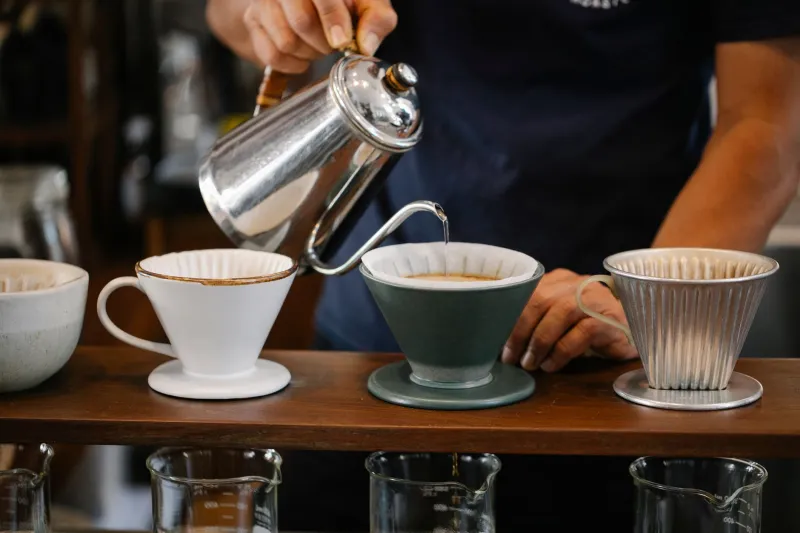
Pour slowly and in circles. The goal is even saturation. Pouring too fast or in one spot creates channels where water races through without fully extracting. Small, steady, concentric pours keep the coffee bed evenly wet throughout the process.
Getting Started at Home: What You Actually Need
The good news? You don't need a $400 setup to pull this off. Here's a practical starter kit:
- A pour-over dripper — Hario V60, Chemex, or Kalita Wave are all solid choices under $40
- Paper filters to match your dripper
- A gooseneck kettle — the long, narrow spout gives you precise pour control (look for one with a temperature setting)
- A burr grinder — even a budget model beats a blade grinder by miles
- A kitchen scale — coffee-to-water ratio is easier to dial in by weight; aim for roughly 1:15 (1 gram of coffee to 15 grams of water)
- A timer — total brew time for most pour-overs should fall between 3 and 4 minutes
That's it. The process itself takes about five minutes once you've done it a few times, and the difference in cup quality is immediately obvious.
The Bean Has to Be Worth It
Here's the part that often gets skipped in brewing tutorials: technique only takes you so far. If you're pouring over commodity-grade coffee, you're just making a cleaner version of a mediocre cup. The whole point of dialing in your pour-over method is to honor what's in the bag.
That's where sourcing from a roaster that actually cares about the origin makes a real difference. At Island Joe's Coffee, we work with beans that have a story — grown in the kind of conditions that produce genuinely distinctive flavor profiles. Volcanic soil. Tropical elevation. Careful processing. These aren't marketing buzzwords; they're the variables that create the brightness, the complexity, and the clean finish that pour-over is designed to showcase.
A light roast Kona or a medium-roast Hawaiian blend brewed pour-over style is a completely different experience from what comes out of a French press or a drip machine. It's not subtle — it's a revelation.
Making the Switch
Ditching the French press doesn't mean you have to throw it out. For certain beans and certain moods, immersion brewing still has its place. But if you've been drinking specialty coffee and wondering why it doesn't quite taste like what you had at that café in Kailua-Kona, the brewing method is almost certainly the answer.
Slow down. Bloom your grounds. Pour in circles. Use water that's just off the boil. And start with beans that were grown somewhere worth tasting.
The islands have been doing this right for a while now. The rest of us are just catching up.